
Looking for a fun, practical kitchen science experiment? Your kids are going to love making homemade butter with this making butter science experiment. Try this butter in a jar experiment for preschool, pre-k, kindergarten, first grade, 2nd grade, and 3rd graders. Kids will have fun learning about the science behind this science project. Plus don’t forget to grab the free making butter experiment worksheet to add to your learning!

Making butter lesson plan
Science is everywhere. I say it all the time, because it is true. One of the best places in your home to find science in action is your kitchen. Cooking and baking requires chemistry. Eating and digestion requires biology. It’s all science! This Making Butter Science Experiment is a fun science project and activity for preschoolers, kindergartners, grade 1, grade 2, and grade 3 students.
Many of the foods we eat are created by using principles of chemistry. Butter is one of them. Butter is created from cream. Cream is basically milk with a high fat content. When cream is agitated with a churn, or shaken in a jar, the fat starts to glob together and separate itself from the liquid. This glob of fat is butter and the liquid is called buttermilk. Let’s learn how to make butter and then we’ll take a closer look at the science behind it.
Looking for more science experiments for kids – we have lots to choose from! Check out our rainbow in a jar, free solar system worksheets, and fun edible science experiments!
Making butter experiment worksheet
Start by scrolling to the bottom of the post, under the terms of use, and click on the text link that says >>_____<<. The science worksheet pdf file will open in a new window for you to save your freebie.

Making butter science experiment
To make a small amount of butter, you really only need two things –
- heavy cream
- clean mason jar with a lid.
Fill your jar half full and tightly replace the lid. Now, you are ready to shake!

Butter experiment for kids
Now it’s time to shake and shake and shake!

Making butter experiment
And shake some more shaking =)

Butter science experiment
Stop every once in a while to check the progress. You should start to see a little ball forming. When it seems to stop growing and the liquid looks thin, you are done! Note how long this process takes.

Making butter in the classroom
Take the butter out of the jar. The remaining liquid is buttermilk. You can save the buttermilk in the refrigerator for a recipe if you would like.

Butter in a jar experiment
You can spread the newly made butter on crackers or bread to have a taste. Does it taste like the butter you buy from the store? Regular butter has added salt. So your butter might taste a little different unless you use unsalted butter in your home. Refrigerate any leftover butter.

Making butter experiment for kids
As I said before, butter is created when the fat in cream starts to stick together. You might be asking, “What keeps the fat from sticking together all the time?” Small amounts of fat cells in cream and milk are held together by a tight membrane. Under normal conditions, these membranes keep fat cells from grouping together to form large globs.
When the cream is agitated by the shaking of the jar, the fat cells bump against each other and the membranes burst. This frees the fat cells to clump together to form large globs and finally a large clump of butter.



Science for Kids
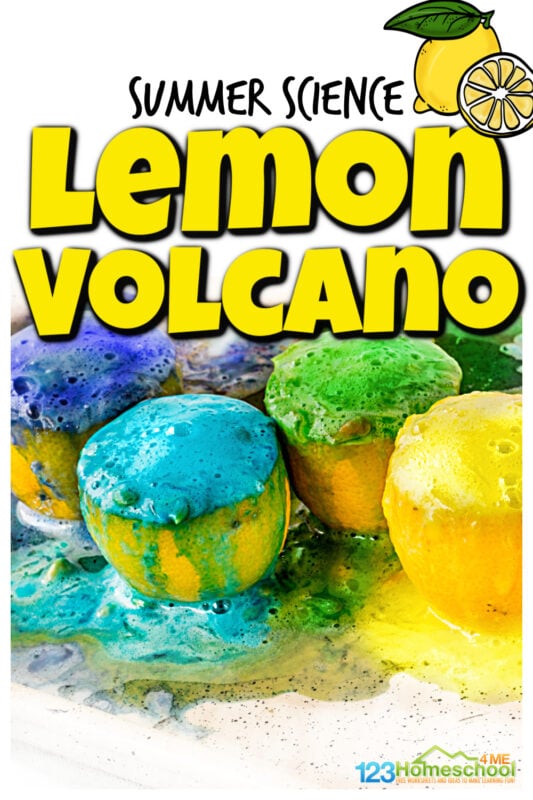
- Quick and EASY Lemon Volcano – a fun twist on classic volcano science project using acidity of lemon instead of vinegar as the acid
- 100 Amazing Food science experiments for kids – arranged by type of science
- Colorful Capillary action science experiment (also known as walking water)
- EASY Magnetic Field Sensory Bottle that will WOW your kids!
- Leak Proof Bag – Amazing Science Experiment with Everyday Materials
- Exploring with Magnet Experiments for Kids
- Amaze kids with these 12 Hands on Science experiments with batteries
- 24 Epic Solar system science projects to try this week
- Fun Water balloon science experiment that explores density
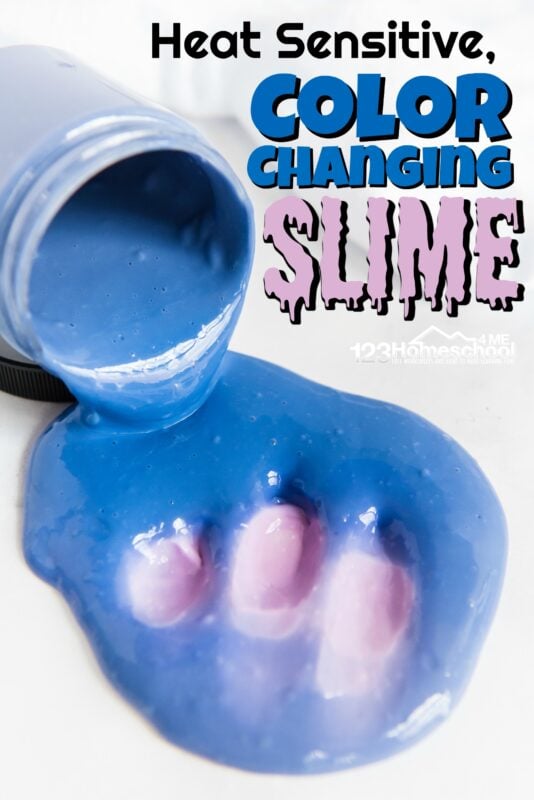
- Amazing, heat-sensitive color changing slime
- 50 Fun Preschool science experiments the whole family will want to try
- Simple Galaxy science project
- Easy and Fun Dancing Raisins Experiment
- Learn about weather as you find how to make a weather vane
- Eye opening Eye science experiments
- Easy-to- make Air pressure science project
- Amazing POP rocks science experiment is one of our all-time favorite science experiments we like to do during the summer are
- Stunning Chromatography Flowers are so pretty you’ll forget it was as science project!
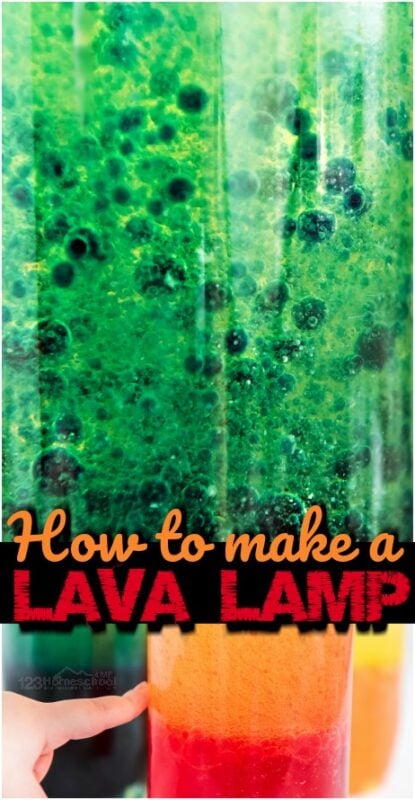
- How to Make a Lava Lamp – super easy and SO cool!
- 30 Simple machines science projects kids will want to try
- Easy, fascinating, and colorful project answering Why do Leaves Change Color Experiment
- Free Printable Animal Classifications for Kids Cootie Catchers
- 19 Edible science experiments – which delicious project will you try first?
- HUGE Free Solar System Unit (coloring pages, hands on science projects, worksheets, and more!)
- Pipe Cleaner Constellation Activity (As seen on Good Housekeeping!)
- Teach kids about conductivity with this fun squishy circuits projects
- Amazing, Heat Sensitive, Color Changing Slime
- Life Cycles for Kids (from penguin to sunflower and spider to turkey we have LOTS of life cycles to explore and learn about)
- EASY, Colorful Oil and Water Science Experiment
- Kids will be amazed as you change colors of white flowers with this Dying Flowers Science Experiment
- This super cool Lego Zipline is fun and simple to make
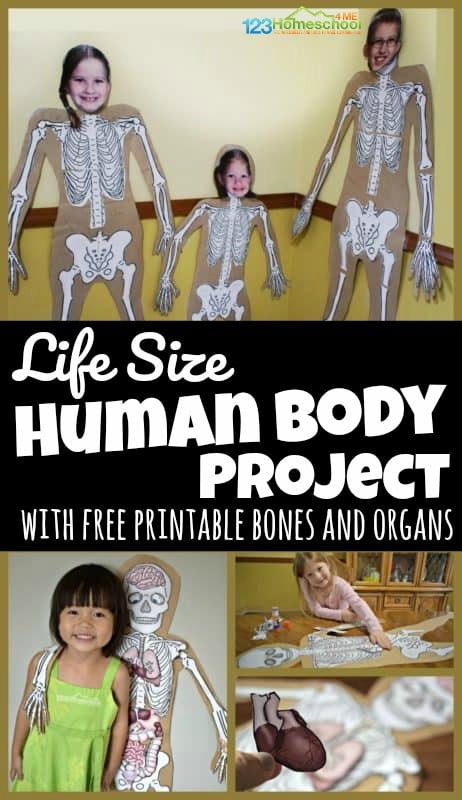
- Human Body Project
- Check out this super cool look INSIDE a Volcano Project
- Exploding Watermelon – science experiment that explores potential and kinetic energy with a big WOW moment!
- Memorable Life Size Skeletal system science project – includes free printable template
- Mind-Blowing Magnetic Slime for Kids, free lab report template
- 5, 4, 3, 2, 1, BLAST OFF! Rocket Baking Soda and Vinegar Experiment
- Find LOTS more Easy Science Experiments for kids of all ages!
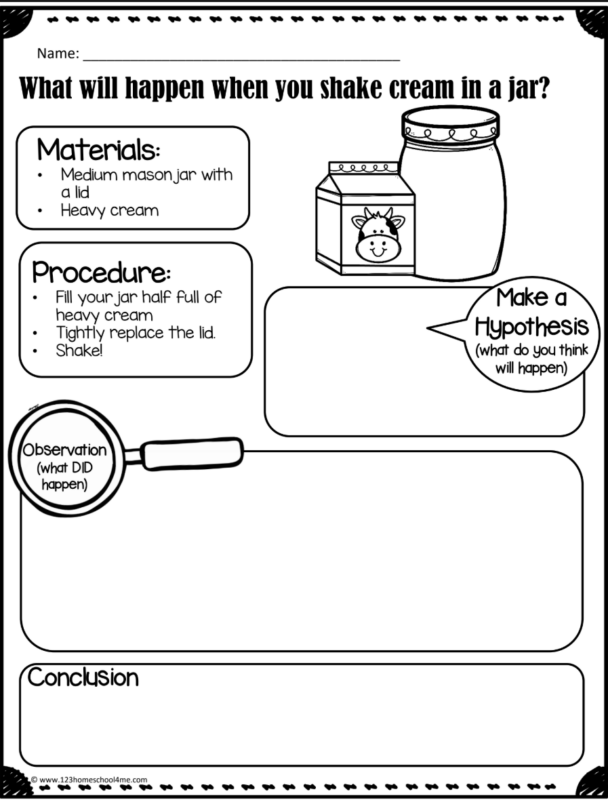
How to make butter worksheet
Before you grab your free pack you agree to the following:
- This set is for personal and classroom use only.
- This printable set may not be sold, hosted, reproduced, or stored on any other website or electronic retrieval system.
- Graphics Purchased and used with permission from
- All material provided on this blog is copyright protected.


I can’t access the worksheet because there is an ad blocking it. Is there another way to get the worksheet that accompanies this experiment?
Scroll to the bottom of the post, under the terms of use and click on the TEXT LINK that says >> ____ <<